

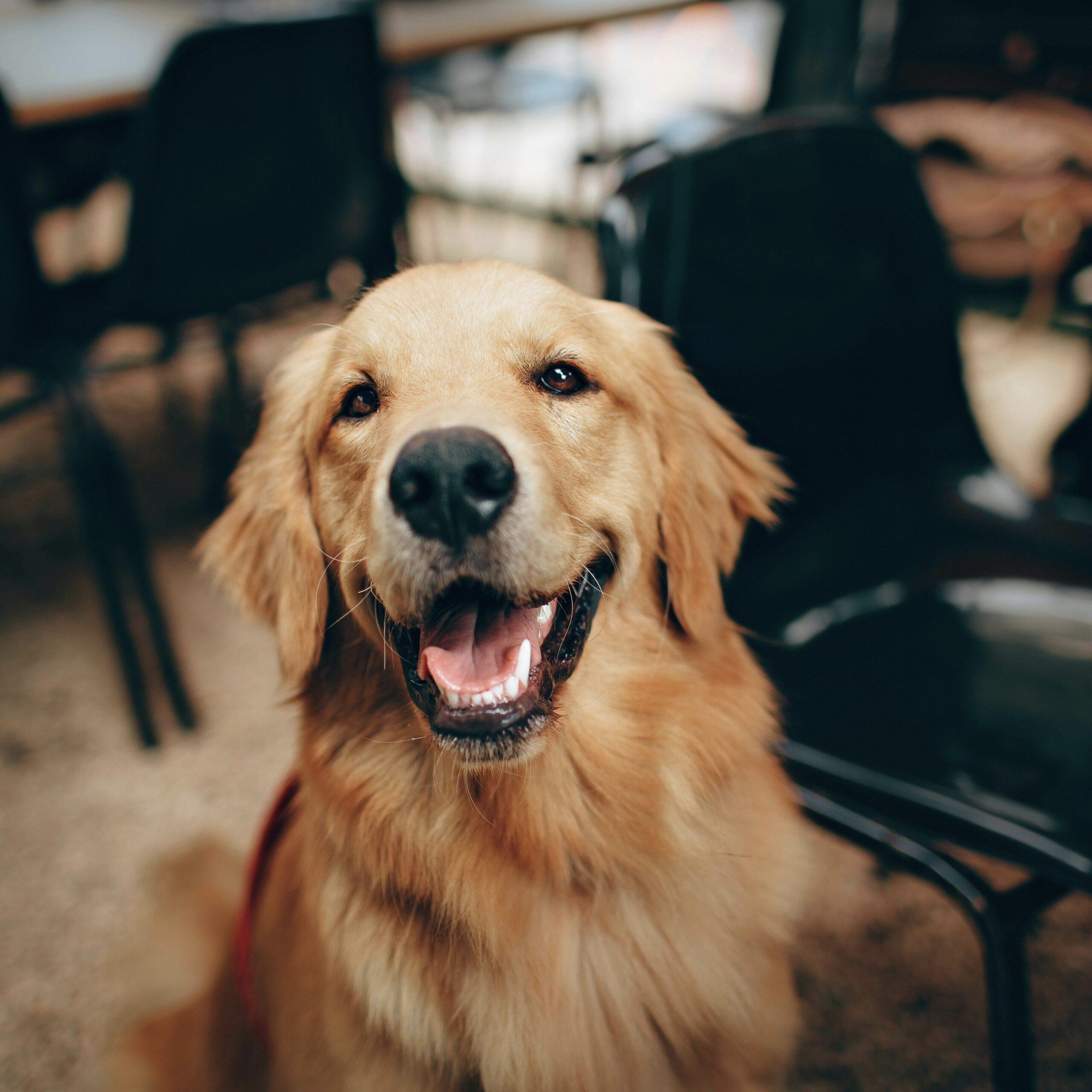
How to Read Your Dog’s Body Language Like a Pro
Ever wish you could speak your dog’s language? From head tilts to tail wags, our pups are talking to us all the time—just without words. Learning to “read dog” is more than a fun party trick; it’s the key to understanding their feelings, keeping them safe, and building a stronger bond.
At Simply Woofy, we believe every wag and woof tells a story. Here’s how to decode those silent signals like a pro.
The Basics of Canine Communication
Dogs rely far more on body language than on barks. A single tail position can mean something different depending on the situation—so always look at the whole picture: your dog’s environment, their personality, and what’s happening around them.
Eyes & Facial Expressions
Soft, squinty eyes: Relaxed and content—like a gentle smile.
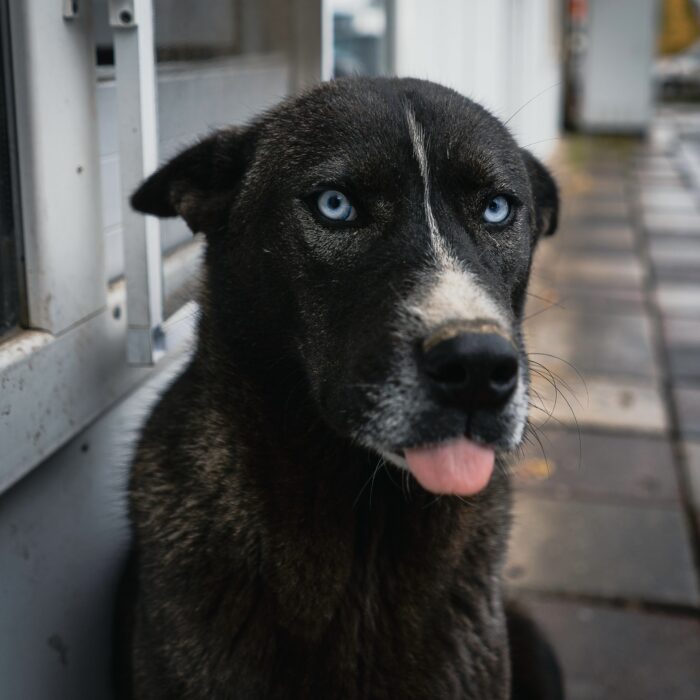
Wide eyes or “whale eye” (when you see the whites): Fearful or stressed; give your pup space.
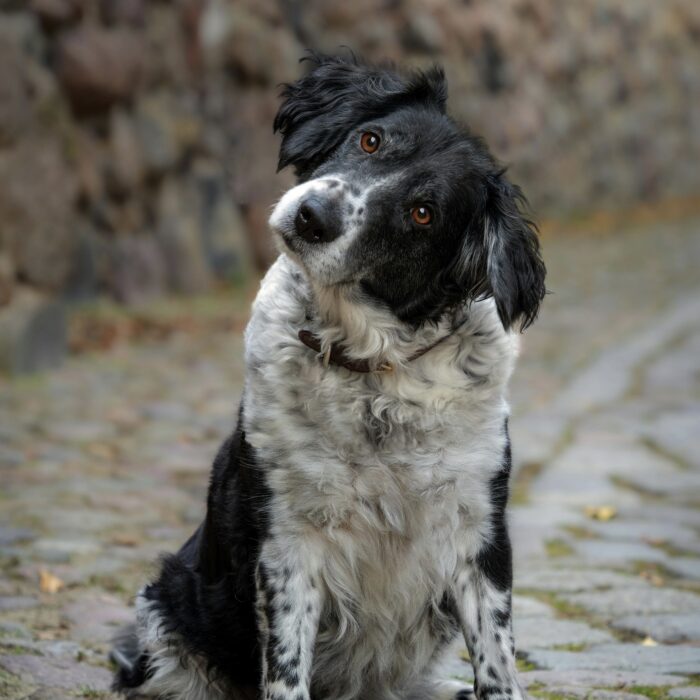
Head tilt or raised eyebrows: Curiosity at full power—your dog is trying to understand you or a new sound.
Ears
Forward and perked: Alert and interested, ready to investigate.
Pinned back: Nervousness, submission, or a little anxiety—watch the rest of the body for clues.
Neutral and relaxed: Calm and comfortable in their surroundings.
Tail Talk
High and wagging: Happy and confident.
Low and tucked: Fearful or unsure—offer comfort and keep things quiet.
Slow, cautious wag: Your dog is unsure and assessing the situation.
Remember: not every wag means joy; a stiff, high wag can also signal tension.
Posture
Loose and wiggly: Playful and friendly.
Stiff or tense body: On guard or feeling threatened—pause and give space.
Play bow (front legs down, rear in the air): The universal invitation to play.
Mouth & Vocal Clues
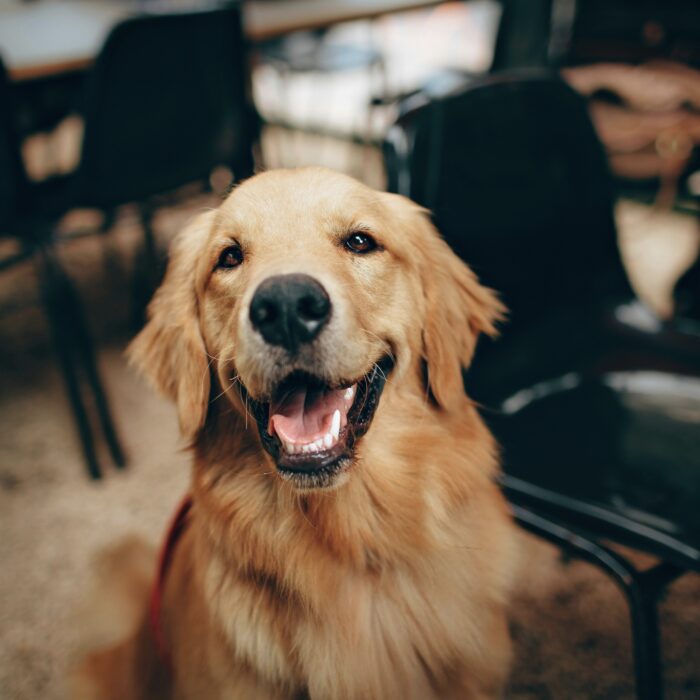
Relaxed mouth or gentle panting: Content and comfortable.
Lips pulled back, teeth showing: A warning—your dog is saying “back off.”
Whining, yips, or changes in bark pitch: Expressing excitement, stress, or a request for attention.
Common Situations to Watch
- Meeting new people or dogs: Look for stiff posture or pinned ears; that’s your cue to slow introductions.
- Vet or groomer visits: Whale eyes or tucked tails signal fear—bring treats and stay calm.
- Playtime: A bouncy play bow means “let’s keep going!”
- When left alone: Whining or pacing can indicate separation anxiety.
How to Respond
Stay calm and consistent—your energy sets the tone.
Respect their signals: if they’re tense, give them space.
Reward calm, positive behaviors with praise and treats.
By listening to their silent cues, you’ll deepen trust and make training easier.
Strengthening Your Bond
Reading body language isn’t just about avoiding misunderstandings—it’s about connection. When you “listen” as much as you give commands, you build a relationship based on understanding and respect.
At Simply Woofy, we celebrate every wag, bow, and snuggle. That’s why our dog-lover tees and gifts are designed for people who see their dogs as family.






0 Comments